Living On A Yacht: Beginner Guide
Living on a yacht means planning the boat, budget, marina rules, safety gear, systems and daily routines before you buy or move aboard.
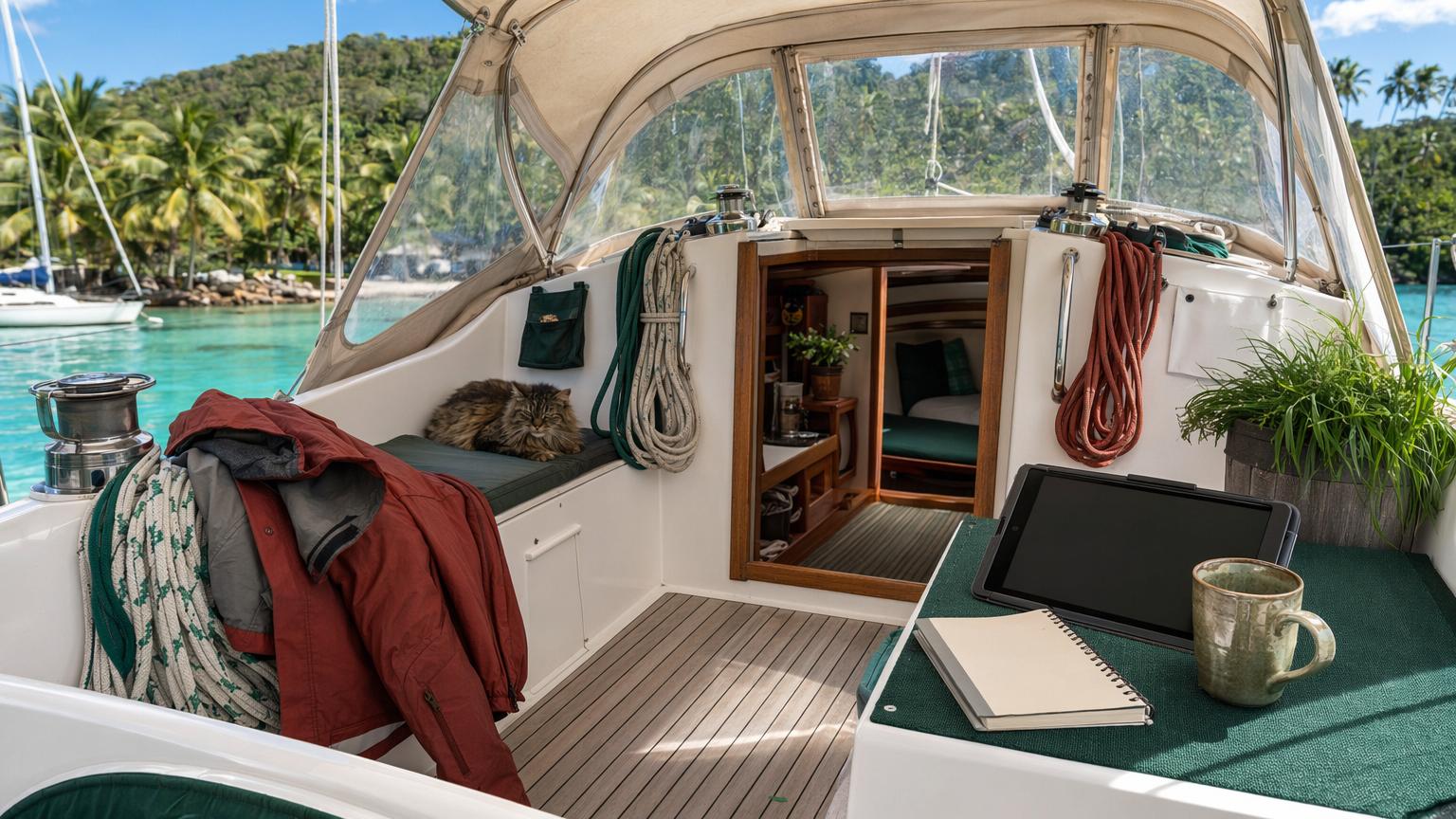
Living on a yacht sounds like a simple lifestyle choice until you start pricing berths, choosing a boat, checking marina rules, planning power and water, and asking whether you can handle the daily routine.
This guide gives you the planning path before you buy a boat, move aboard, or commit to a liveaboard berth.
TL;DR: You can live on a yacht if the boat, budget, location, safety plan, maintenance load and daily-life routine all fit. The decision should start with readiness, then move into cost planning, boat type, marina or anchoring rules, safety gear, weather habits and a trial stay.
Short Answer
Living on a yacht means using a yacht or liveaboard boat as your full-time or part-time home. The practical version of the idea depends on five checks:
- Can you afford the purchase, berth or mooring, insurance, maintenance, haul-outs, utilities, upgrades and repairs?
- Does the boat layout fit sleeping, cooking, storage, work, guests, pets and bad-weather days?
- Does your marina, mooring field, anchorage, city, state or country allow the way you plan to live?
- Can you manage safety, weather, navigation, mechanical systems, water, power, waste and repairs?
- Have you tested the lifestyle before spending serious money?
If one answer is weak, slow down. The weak answer usually becomes the expensive answer.
What Living On A Yacht Actually Means
The wording can be confusing because people use yacht, boat, sailboat and liveaboard in different ways.
- Yacht usually means a recreational vessel with enough size, comfort and systems for overnight use.
- Boat is the broader word. A liveaboard boat may be a sailboat, trawler, motor yacht, catamaran or houseboat.
- Sailboat matters as its own category because motion, power use, storage, sailing skill and weather windows change the routine.
- Liveaboard usually describes a person living aboard a vessel, or a boat set up for that kind of use.
For planning, the label matters less than the fit. A beautiful boat that cannot handle your storage, work, climate, marina or maintenance needs will feel wrong quickly.
The Readiness Lens
Use this table before you look at listings.
Your full monthly and annual cost, including repairs and haul-outs
Counting only loan payment or berth fee
Layout, storage, headroom, galley, berth size, systems and motion
Buying for photos instead of routine
Marina policy, mooring rules, anchoring limits, pump-out access and weather exposure
Assuming liveaboard approval is automatic
Weather checks, lines, pumps, batteries, leaks, corrosion, engine care and safety gear
Depending on help for every small problem
Laundry, cooking, privacy, noise, pets, guests, mail, internet, humidity and exit plan
Testing the dream only on sunny weekends
Use the table to find the mismatch early, while the decision is still cheap to change.
Step 1: Decide How You Want To Live Aboard
Start with the living pattern, then choose the boat around that pattern.
Marina-Based Living
Marina life can feel closest to land life because you may have shore power, water access, showers, laundry, parking and neighbors. The catch is permission. Some marinas welcome liveaboards, some limit them, and some prohibit full-time residence.
Ask direct questions before you commit:
- Are full-time liveaboards allowed?
- Is there a liveaboard fee?
- Is there a waiting list?
- Are pets allowed?
- What are the insurance requirements?
- Can you receive mail?
- Are there limits on guests, storage, heaters, air conditioning, laundry or work aboard?
- What happens during storms, freezes, haul-outs or repairs?
Get answers in writing when money is involved.
Mooring Or Anchoring
Mooring or anchoring can reduce marina dependence, but it increases your reliance on dinghy access, weather, water, waste management, battery charging, security and local rules.
The daily question becomes: can you keep the boat safe, supplied and legal without shore-side convenience?
Cruising Life
Cruising adds route planning, weather windows, navigation, maintenance underway, border rules and more self-reliance. It can be rewarding, and it punishes vague planning.
If your real dream is cruising, do not judge a boat only by how it feels tied to a dock.
Seasonal Or Trial Living
A seasonal trial is often the best first move. Rent, crew, charter, house-sit a boat, or spend several nights on a similar vessel before buying. You want to feel the routine when it rains, when storage is full, when laundry is awkward and when the internet drops.
Step 2: Choose The Boat Around Daily Life
Boat choice should come after you know how you want to live.
A liveaboard boats comparison should look at more than price and length. The real questions are:
- Can you stand, sleep and cook comfortably?
- Is there enough dry storage?
- Can the electrical system support your work and daily habits?
- Is the head and waste setup realistic for your location?
- Can you handle the engine, rig, plumbing, pumps and batteries?
- Does the boat suit your climate?
- Can you insure it and berth it?
- Can you sell it if the lifestyle does not fit?
Sailboat
A sailboat can be efficient and seaworthy, but daily life often brings tighter storage, more motion, rig maintenance, sail handling and energy limits. If that appeals to you, read the dedicated living on a sailboat guide before comparing models.
Motor Yacht Or Trawler
A motor yacht or trawler may offer more interior volume, easier movement inside and a different maintenance profile. Fuel, engine systems, dockage, insurance and handling still need careful checks.
Catamaran
A catamaran can offer space and stability, which helps with work, guests and comfort. It can also bring higher marina fees, wider berth needs, more systems and a higher purchase price.
Houseboat
A houseboat may fit protected inland water or marina living. It may be a poor fit for exposed water, cruising plans or places with strict residence rules.
The best boat to live on is the one that fits your actual location, habits, budget and repair tolerance.
Step 3: Build The Budget Before Shopping
Many first-time buyers undercount the cost because they focus on purchase price.
Your cost of living on a boat plan should include:
- purchase price or loan payment;
- survey, sea trial, closing, taxes and registration;
- marina berth, mooring or storage;
- liveaboard fees, if any;
- insurance;
- haul-out, bottom work and zincs;
- routine maintenance;
- engine, rig, sail, plumbing, electrical and battery repairs;
- fuel, propane, shore power, water and pump-out;
- internet and phone;
- safety gear;
- upgrades needed before move-in;
- emergency reserve;
- exit costs if you sell or move back ashore.
Do the budget twice. First, build the calm version. Then build the version where the boat needs a repair in the same month your marina bill, insurance and haul-out are due.
If the second version breaks the plan, the plan needs more cash, a cheaper boat, a different location or more time.
Step 4: Check The Location Before You Trust The Plan
Location can decide whether yacht living works.
Marinas, cities, states, countries, insurers and waterways can all affect your plan. A berth that works for weekend boating may not allow full-time residence. An anchorage that looks open may have time limits. A harbor may have pump-out requirements, dinghy storage rules, mooring permits or weather exposure you have not considered.
Waste rules need special care. In the United States, the EPA explains that vessel sewage no-discharge zones are areas where both treated and untreated sewage discharges from vessels are prohibited, and vessel operators must retain sewage for proper offshore discharge or use an onshore pump-out facility inside those zones. Check the EPA vessel sewage no-discharge zone guidance for the U.S. framework, then check the local rule for the waterway you plan to use.
For any country or marina, ask:
- Can I live aboard here full-time?
- What paperwork is required?
- What insurance does the marina require?
- Are there pump-out rules or records?
- Are heaters, air conditioning, propane, generators or solar panels restricted?
- Are there storm, hurricane, winter, haul-out or evacuation rules?
- What happens if the boat becomes inoperable?
Do this before you buy a boat that has nowhere legal or practical to sit.
Step 5: Treat Safety As Part Of The Lifestyle
Safety is not a separate checklist you finish once. It is part of living aboard.
The U.S. Coast Guard Boating Safety Division says its mission is to reduce loss of life, injuries and property damage on U.S. waterways by improving recreational boater knowledge and skill. In calendar year 2024, the Coast Guard verified 3,887 recreational boating incidents involving 556 deaths, 2,170 injuries and about $88 million in property damage. The Coast Guard also reported that drowning accounted for three-quarters of deaths, and 87% of drowning victims were not wearing life jackets. See the U.S. Coast Guard boating safety site and the Coast Guard’s 2024 boating statistics release for the source data.
For a U.S. vessel, the Coast Guard’s Boater’s Guide to the Federal Requirements for Recreational Boats covers categories such as registration, incident reporting, engine cut-off switches, personal flotation devices, visual distress signals, fire extinguishers, ventilation, navigation rules, pollution regulations and marine sanitation devices. Your state, country, marina, insurer and voyage type may add more requirements.
Weather habits matter as much as gear. The National Weather Service provides marine forecasts and warning products for U.S. coastal waters, the Great Lakes, offshore waters and high seas areas in the North Atlantic and North Pacific. Start with NWS marine forecasts, then learn the local forecast zones, tides, currents and storm patterns for your area.
At a minimum, build habits around:
- life jackets that fit and are easy to reach;
- working fire extinguishers and alarms;
- bilge checks;
- VHF radio use;
- weather checks before moving the boat;
- navigation lights and sound signals;
- emergency contacts;
- engine cut-off switch where required;
- float plan or shore contact when leaving the dock;
- sober operation;
- training before you handle unfamiliar conditions.
Step 6: Plan The Daily Systems
Daily systems are what make yacht living feel either calm or exhausting.
Power
At a marina, shore power may cover most needs. Away from the dock, you need battery capacity, charging sources, monitoring and a realistic sense of what your fridge, lights, laptops, pumps, inverter, heater or air conditioning draw.
Water
Water planning includes tank size, fill access, filters, pump reliability, shower habits and emergency storage. A bigger tank helps, but leaks and pump failures still happen.
Waste
Plan the head, holding tank, pump-out access, odor control, spare parts and local discharge rules. This is both a comfort issue and a compliance issue.
Cooking And Food
Small galleys punish clutter. Think through refrigeration, propane or electric cooking, ventilation, dry food storage, trash, pests and how you will cook when the boat is moving or damp.
Internet And Work
If you work remotely, test the connection where the boat will actually sit. Marina Wi-Fi, cellular and satellite all have limits. Power draw, upload speed, video calls, weather, data caps and backup options matter.
Storage
Storage is where the dream meets volume. Bring less than you think you need. Then remove more. Wet gear, tools, spares, documents, bedding, food, safety gear and personal items all compete for dry space.
Humidity And Ventilation
Condensation can damage bedding, clothes, tools and electronics. Ventilation, heat, dehumidifiers, airflow and dry storage habits are part of the home system.
Step 7: Test The Lifestyle Before Buying
A trial will tell you more than a listing.
Before buying, try to:
- spend several nights on a similar boat;
- visit marinas at different times of day;
- ask liveaboard residents what breaks most often;
- walk through a pump-out routine;
- test shower, laundry and grocery logistics;
- work a full day aboard if remote work matters;
- check how you sleep with motion, noise and dock activity;
- write a monthly budget with repair reserves;
- define the exit plan if you decide to move back ashore.
An honest trial is better than a polished weekend.
Common Mistakes
Buying For The Weekend Version Of Yourself
A boat that feels romantic for two nights can feel cramped after three wet weeks. Judge the boat by ordinary days.
Treating Marina Approval As A Detail
Marina approval can shape the whole plan. Ask early, ask directly and get written answers before money changes hands.
Ignoring The Repair Reserve
Boats age in a wet, moving, corrosive place. Even careful owners face leaks, pumps, batteries, hoses, corrosion, canvas, bottom paint and engine work.
Overestimating Storage
Every liveaboard eventually learns that storage needs dry space, easy access and sensible weight placement.
Skipping Safety Training
Gear helps only if you know where it is, how it works and when to use it. Take a course, practice with someone experienced and learn the boat before conditions get serious.
A Practical 30-Day Starter Plan
Use this plan before you start shopping seriously.
Define your living pattern: marina, mooring, cruising, seasonal or trial
One clear use case
List must-have daily needs: bed, desk, galley, head, storage, pets, guests
Daily-life requirements
Call or visit marinas in your target area
Written policy notes
Build a cost worksheet
Calm budget and repair-heavy budget
Tour several boat types
Notes on layout, systems and comfort
Read safety and weather sources for your area
Training and gear list
Spend nights aboard or book a realistic trial
Reality check
Complete the readiness checklist
Go, pause or rethink decision
If the plan still looks good after the trial, you can start comparing boats with clearer filters.
Next Step
Before you shop for the boat, use the Yacht Living Readiness Checklist. It helps you review budget, boat fit, marina questions, safety, maintenance, systems and daily routines before the decision becomes expensive.
Then move into the deeper guides:
- Cost Of Living On A Yacht Or Boat
- Best Liveaboard Boats To Live On
- Living On A Sailboat Full-Time
- Yacht Living FAQ
FAQ
Can You Live On A Yacht Full-Time?
Yes, some people live on yachts or liveaboard boats full-time. Whether it works for you depends on the boat, budget, marina or anchoring rules, safety plan, maintenance skills and daily-life tolerance.
Is Living On A Yacht Legal?
It depends on the location, vessel, marina, mooring rules, anchoring rules, registration, tax and residency situation. Treat legal questions as local questions, and confirm them with the relevant marina, authority, insurer or professional before you commit.
What Size Yacht Do You Need To Live Aboard?
There is no universal size. A solo liveaboard with simple routines may accept a smaller boat than a couple working remotely with pets and guests. Layout, storage, headroom, tankage, power, ventilation and marina fit matter as much as length.
Is Living On A Yacht Cheaper Than Living On Land?
Sometimes it can be cheaper, especially with a modest boat and a low-cost berth or mooring. It can also become expensive once you add insurance, repairs, upgrades, haul-outs, marina fees, fuel, power, pump-outs and emergency reserves.
What Is The Hardest Part Of Living On A Yacht?
The hardest part is usually the compound effect of small things: damp gear, limited storage, repairs, weather, marina rules, power use, laundry, internet and privacy. One issue is manageable. Several at once can wear people down.
Can You Work Remotely From A Yacht?
Yes, but test it before relying on it. Remote work aboard depends on power, internet, desk space, noise, weather, heat, privacy and backup plans. A connection that works at home may fail at a marina or anchorage.
Should You Buy A Yacht Before Finding A Marina?
No. Check marina or mooring options before buying. Some marinas limit liveaboards, require specific insurance, restrict boat age or condition, or have long waiting lists.
What Should You Do First?
Start with the living pattern, then the budget, then the location, then the boat. The readiness checklist is the simplest next step.
Use the checklist to pressure-test the boat, budget, location, safety plan and daily routine before the decision becomes expensive.