Living On A Sailboat Full-Time
Living on a sailboat full-time means planning space, motion, sailing skills, power, water, weather, storage, maintenance and marina fit.
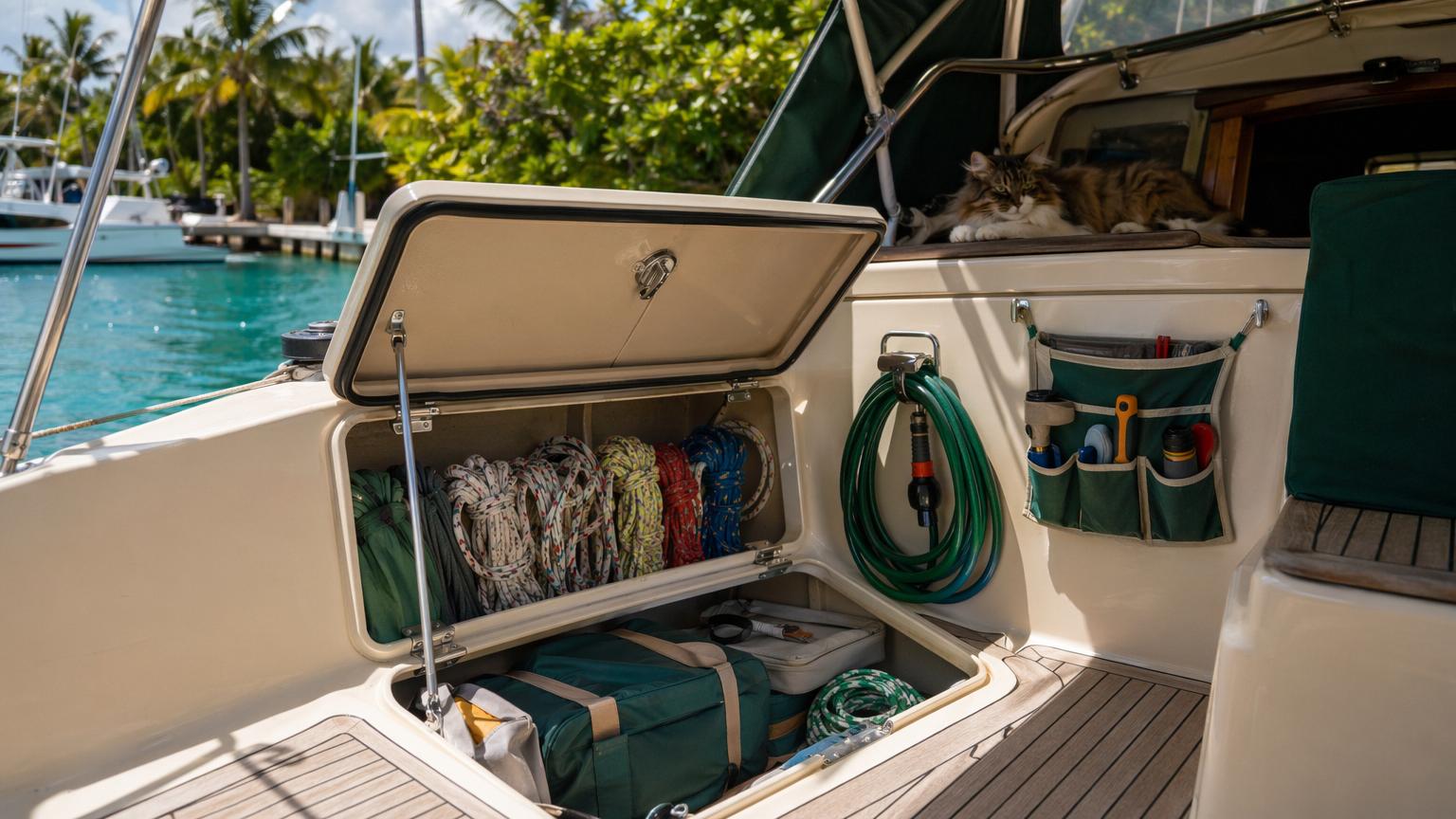
Living on a sailboat full-time can be practical, beautiful and demanding. The boat gives you a home that can move under sail, and it also asks you to accept smaller spaces, more motion, weather habits, storage discipline and regular systems work.
This guide focuses on the realities that are specific to sailboat life.
TL;DR: Living on a sailboat works best when you choose the right hull and layout, keep possessions lean, learn sailing and weather skills, budget for rig and engine maintenance, plan power and water carefully, and test the routine before moving aboard.
Short Answer
A sailboat can be a good full-time home if you want sailing to be part of your life, can handle compact storage, and are willing to learn the boat’s systems.
The tradeoffs are clear:
- less interior width than many powerboats;
- more motion and heel underway;
- rig, sail and deck maintenance;
- tighter storage;
- power and water limits away from shore;
- more weather dependence;
- strong reward if you enjoy seamanship and self-reliance.
If your dream is mostly a floating apartment, a trawler, motor yacht, catamaran or houseboat may fit better. Compare those options in the liveaboard boats guide.
What Makes Sailboat Living Different
Sailboats are designed around hull shape, rig, ballast, deck gear and movement through wind and water. That changes the home.
Discover Boating explains that sailboats differ by hull type, rig type and use, with monohulls, catamarans and trimarans as the three main hull categories. It also notes that sailboat rigs include mast, boom, shrouds or stays, and different sail plans such as sloops, cutters, ketches and yawls. See Discover Boating’s guide to sailboat types.
For a liveaboard, those design choices affect:
- interior volume;
- motion at dock and anchor;
- sailing complexity;
- draft and anchoring options;
- storage;
- maintenance access;
- marina fit;
- resale market.
You are choosing a house that leans, floats, moves, flexes and needs weather judgment.
Monohull, Catamaran Or Trimaran
Monohull
A monohull has one hull and is the classic sailboat shape. Many used liveaboard sailboats are monohulls because the market is broad and prices vary widely.
Good fit:
- people who want traditional sailing;
- buyers with narrower marina slip options;
- cruisers who accept heel and compact interiors;
- people who want a large used-boat market.
Watch for:
- storage limits;
- deep draft in some designs;
- heel underway;
- older deck leaks;
- cramped engine or tank access.
Catamaran
A sailing catamaran has two hulls and a wide deck or bridgedeck between them. Discover Boating notes that larger catamarans, around 35 feet and over, have become popular in charter use because they offer more interior and deck space and an easier motion that can reduce seasickness.
Good fit:
- people who want stability;
- remote workers who need separate spaces;
- couples or families who need privacy;
- anchoring-focused liveaboards;
- shallow-draft cruising in suitable waters.
Watch for:
- higher purchase price;
- wider marina slips;
- haul-out limits;
- more surface area to maintain;
- two hulls of systems and fittings.
Trimaran
A trimaran has a main hull and two side hulls for stability. Some can fold to reduce beam. Large cruising trimarans can be fast and stable, though the liveaboard market is narrower than for monohulls and catamarans.
Good fit:
- sailors who value speed and stability;
- experienced buyers with a clear use case;
- people with confirmed berth and haul-out options.
Watch for:
- limited market;
- unusual layouts;
- specialized maintenance;
- fewer local examples to inspect.
The Sailboat Liveaboard Fit Matrix
You sleep well and can sit up comfortably
The berth feels fine for a weekend and annoying by morning three
You can cook normal meals underway or at dock
Every meal requires rearranging gear
The system is clean, accessible and legal for your location
Odors, leaks, tiny tanks or unclear pump-out plan
Dry, accessible space for clothes, tools, spares and safety gear
Wet lockers, mystery mildew, no spare-parts plan
Batteries, charging and monitoring fit your daily use
You need shore power for every normal day
Recent inspection, understandable controls, manageable sail plan
Unknown rig age, tired sails, hard-to-handle deck gear
Reliable auxiliary power with clear service history
Poor access, smoke, leaks, unknown cooling issues
Hatches, vents and airflow keep the boat dry
Condensation becomes the default
Length, beam, draft and liveaboard status are accepted
One dimension or policy is uncertain
If the boat cannot pass this table, keep looking.
Daily Life On A Sailboat
Space And Storage
Sailboat storage rewards discipline. Tools, spares, food, safety gear, wet clothing, bedding and electronics all need a dry place.
Discover Boating’s liveaboard beginner guide warns that moving from a large house to a 40-foot boat means fewer closets, fewer cupboards and no garage. It also recommends decluttering and preparing for mildew, condensation and ventilation needs. See Discover Boating’s liveaboard beginner guide.
A good liveaboard sailboat needs:
- dry lockers;
- accessible tool storage;
- a place for foul-weather gear;
- secure galley storage;
- battery and spares access;
- ventilation around bedding;
- a way to keep paperwork dry.
Cooking
A good galley matters more than a beautiful saloon. Look for bracing points, ventilation, refrigeration, safe stove setup, dry food storage and trash routine.
If you plan to sail, imagine cooking or making coffee when the boat moves. If you plan marina living, imagine cooking when every counter is already full.
Sleep
Test the berth with your actual height and sleep habits. Check ventilation, access, mattress thickness, nearby condensation and whether two people can get in and out without a nightly argument.
Laundry And Showers
Many liveaboards use marina showers and laundromats. That can work well, but it turns weather, dock distance and marina quality into part of your home routine.
Work And Internet
Remote work aboard a sailboat needs three things: a stable connection, enough power and a place to sit without blocking the whole cabin.
Test video calls, upload speed, phone signal and laptop charging at the marina or anchorage where you plan to stay.
Sailing Skills You Need
Start with a practical learning plan before you treat the sailboat as a full-time home.
Start with:
- docking and undocking;
- line handling;
- reefing;
- anchoring;
- VHF radio use;
- basic navigation;
- weather checks;
- sail trim basics;
- man overboard practice;
- engine checks;
- bilge and pump checks.
Sailing skill changes your confidence, and it also changes your budget. The more you understand, the less every small issue becomes a paid emergency.
Safety And Weather Habits
Sailboats reward weather awareness because wind, current, waves and visibility shape every move.
The National Weather Service promotes safe boating practices during National Safe Boating Week, May 16 to 22, 2026, and points boaters toward watches, warnings and life jacket awareness. See the NWS National Safe Boating Week page and the broader NWS marine forecasts.
BoatUS Foundation says a properly fitting life jacket is required for each person aboard a recreational vessel, and that life jackets must be Coast Guard-approved, serviceable and the right size for the user. See BoatUS Foundation life jacket guidance.
For a sailboat liveaboard, build habits around:
- reefing early;
- checking rig and deck gear;
- keeping life jackets accessible;
- knowing local forecast zones;
- watching wind against tide;
- keeping a VHF radio ready;
- maintaining navigation lights;
- checking bilges and seacocks;
- practicing emergency routines before you need them.
Power, Water And Waste
Sailboat systems are usually more limited than land systems. That limit can be a benefit if you like simple living. It becomes stressful if your habits need constant power, water and bandwidth.
Power
Plan batteries, charging, solar, shore power, alternator, inverter and monitoring around real use. Refrigeration, laptops, autopilot, lights, water pumps and instruments add up.
Water
Tank size matters, but so do leaks, fill access, filtration and shower habits. If you plan to anchor, water discipline becomes daily life.
Waste
The head, holding tank, pump-out access and local rules need attention. A small holding tank can dominate your routine in a no-discharge area or marina with limited pump-out access.
Maintenance That Is Sailboat-Specific
Every liveaboard boat has maintenance. Sailboats add rig and sail work.
Budget and plan for:
- standing rigging inspection;
- running rigging replacement;
- sail repair or replacement;
- winch servicing;
- deck hardware leaks;
- mast, boom and fittings;
- chainplates;
- keel bolts or centerboard systems where relevant;
- bottom paint and zincs;
- engine service;
- batteries and charging;
- pumps, hoses and seacocks.
Use a surveyor and qualified rigging help where needed. Do not treat unknown rig condition as a small detail.
Who Sailboat Life Fits
Sailboat life may fit you if:
- you like compact living;
- you want to sail;
- you can reduce possessions;
- you are willing to learn systems;
- weather planning interests you;
- you accept slower travel;
- you can handle damp days and tight storage.
It may be a poor fit if:
- you need house-like space;
- you dislike motion;
- you need constant high power use;
- you want every repair handled by someone else;
- you are buying mainly because the boat is cheap;
- marina approval or insurance is uncertain.
A 14-Day Sailboat Trial
Before moving aboard, test the routine.
Sleep aboard in normal weather
Berth comfort, noise, condensation
Cook ordinary meals
Galley, storage, dishes, trash
Work or handle normal admin
Power, internet, desk space
Use marina showers, laundry and groceries
Shore routine
Sail or motor in mild conditions
handling, lines, deck movement
Practice water, waste and pump-out routine
tank limits and chores
Review budget and repair list
go, pause or rethink
If two weeks feels impossible, full-time life may need a different boat or a different plan.
Next Step
Read the broader beginner guide to living on a yacht if you are still choosing the lifestyle. Use the cost of living on a boat guide before making an offer. Compare other liveaboard boats if you are unsure whether a sailboat is the right home.
Then use the Yacht Living Readiness Checklist before you buy, move aboard or commit to a berth.
FAQ
Is Living On A Sailboat Full-Time Realistic?
Yes, if the boat, berth, budget, skills, weather habits and daily routine fit. The lifestyle asks for compact living, maintenance discipline and comfort with movement.
What Size Sailboat Is Good For Living Aboard?
There is no universal size. A solo sailor may accept a smaller boat than a couple working remotely. Layout, headroom, storage, tankage, ventilation, power and marina fit matter as much as length.
Is A Catamaran Better Than A Monohull For Living Aboard?
A catamaran can offer more space and stability. A monohull can offer more slip options, a lower entry price and a larger used market. The better choice depends on budget, location and sailing plans.
Can You Work Remotely From A Sailboat?
Yes, if power, internet, desk space, privacy and backups work in the real location. Test calls and uploads at the marina or anchorage before relying on the setup.
Is Sailboat Living Cheaper Than Living On Land?
Sometimes. The cost depends on purchase price, slip or mooring, insurance, maintenance, haul-outs, rigging, sails, utilities and repairs. Use a full annual budget before comparing it with rent or mortgage costs.
What Is The Hardest Part Of Living On A Sailboat?
The hardest part is usually the daily stack: storage, damp gear, repairs, weather, power, laundry, internet and tight movement. The sailing can be the joy. The systems decide whether the lifestyle lasts.
Use the checklist to pressure-test the boat, budget, location, safety plan and daily routine before the decision becomes expensive.